SpermQT™ is a novel test measuring the functionality of sperm.
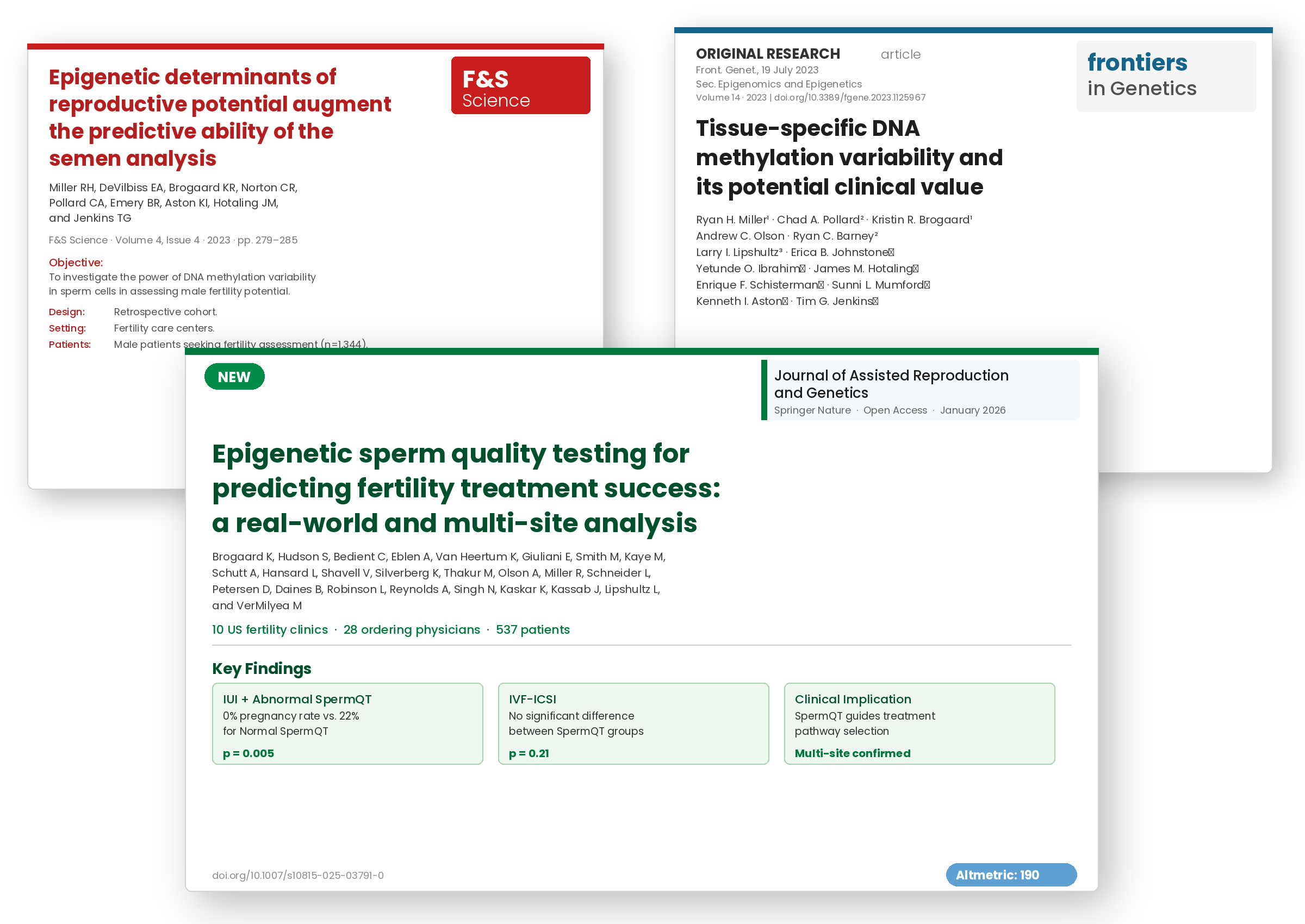
A 2026 study published in the Journal of Assisted Reproduction and Genetics (JARG) analyzed real-world outcomes from 537 couples across 10 U.S. fertility clinics. Among couples where the male partner received an “Abnormal” SpermQT result, zero pregnancies were recorded via IUI in this dataset, while IVF with ICSI outcomes showed no significant difference based on SpermQT result.
Read the full study: “Epigenetic sperm quality testing for predicting fertility treatment success: a real-world and multi-site analysis.” J Assist Reprod Genet (2026).
SpermQT provides additional information beyond the standard semen analysis and DNA Fragmentation.
Standard Semen Analysis
SpermQT
Epigenetics is the control of gene expression that is independent of the DNA sequence itself.
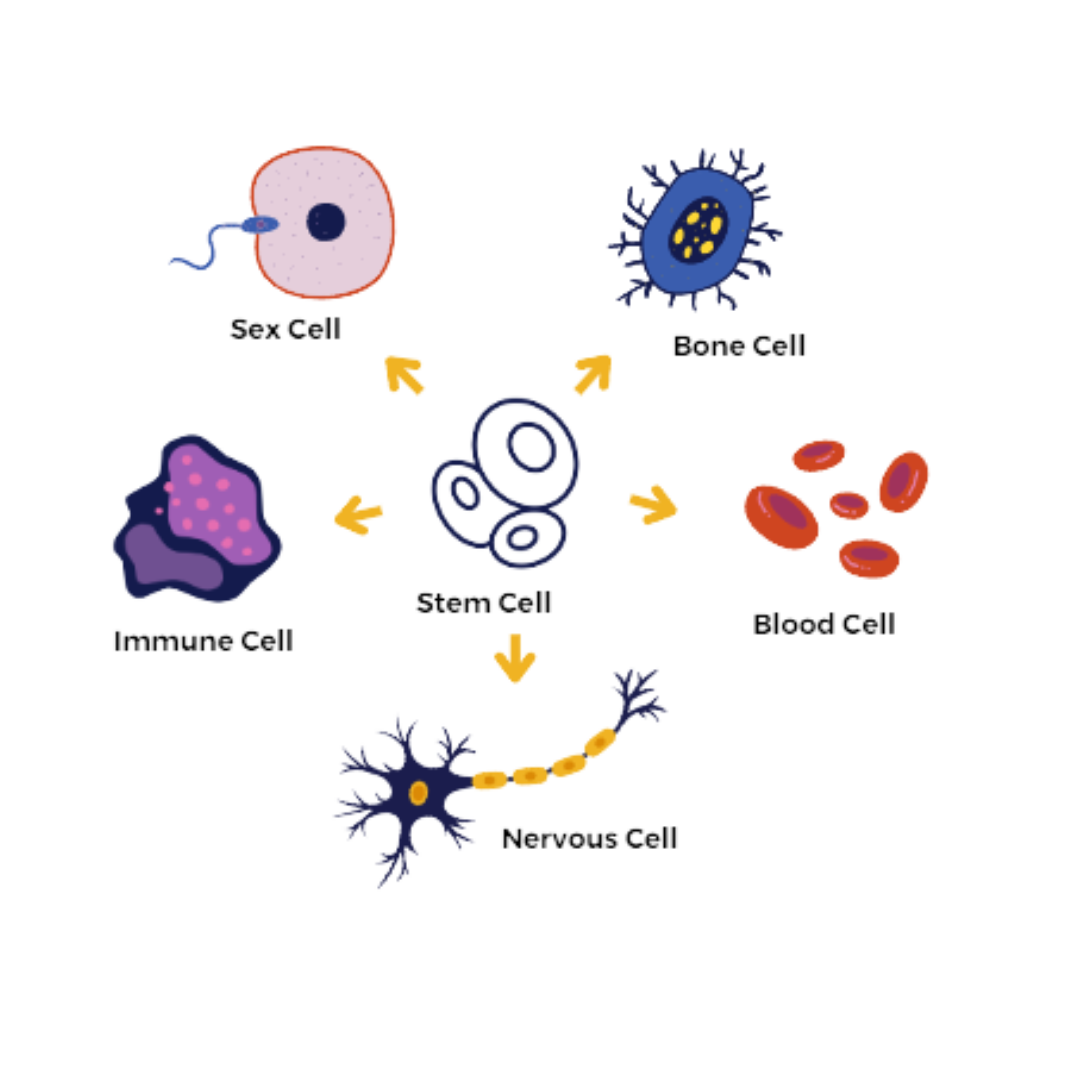
Every cell in our body has the same DNA. Epigenetic modifications within each cell type are what turn the proper genes on and off to make a liver cell a liver cell, a sperm cell a sperm cell, and so on. This happens via a mechanism called DNA methylation.²
DNA methylation involves the binding of a CH3 molecule to the DNA at CG basepair sites. DNA methylation of specific CG sites can regulate gene expression.
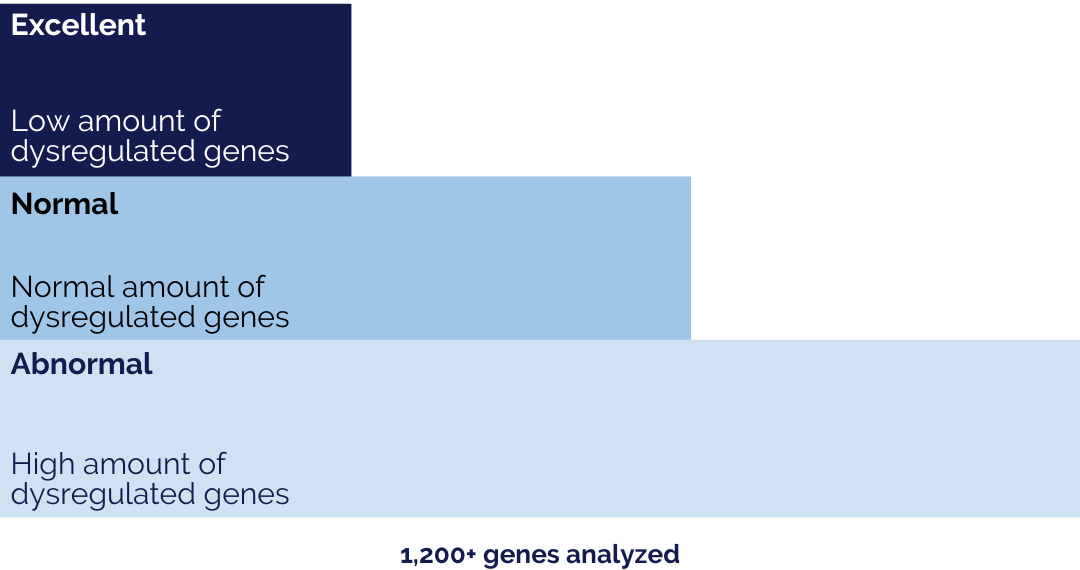
SpermQT analyzes the dysregulation in the DNA methylation patterns of 1,200+ genes that are essential for sperm function.
The higher the number of dysregulated genes, the lower the quality of the sperm.
Based on this measure, SpermQT categorizes the sperm sample as Excellent, Normal, or Abnormal quality
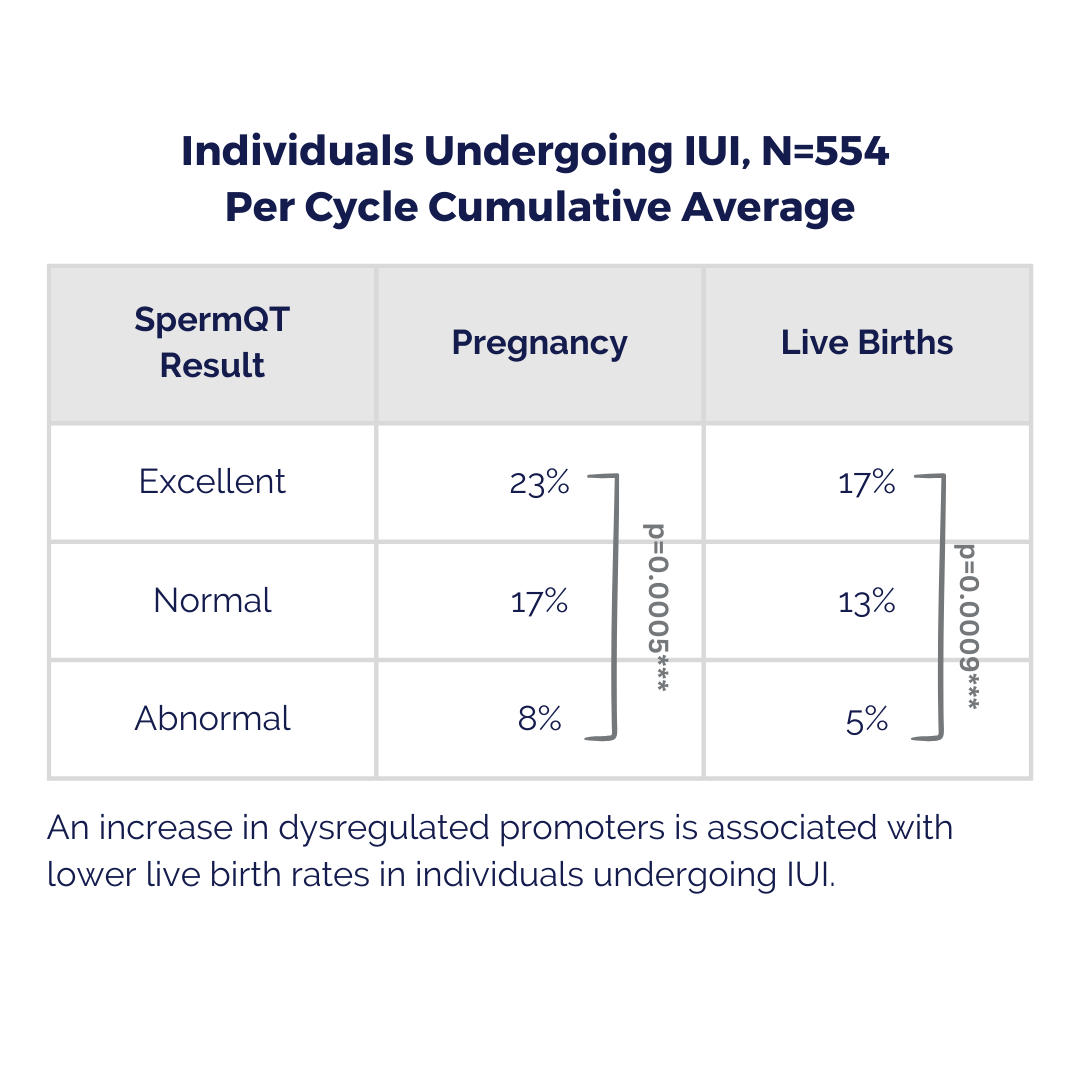
A blinded analysis of the SpermQT result categories (Excellent, Normal, Abnormal) showed that the number of dysregulated genes had a negative correlation with pregnancy and live birth outcomes when undergoing intrauterine insemination (IUI).
Specifically, when looking at 554 couples undergoing IUI procedures, there was a statistically significant lower prenancy rate (p=0.0005***) and live birth rate (p=0.0009***) between SpermQT results.¹
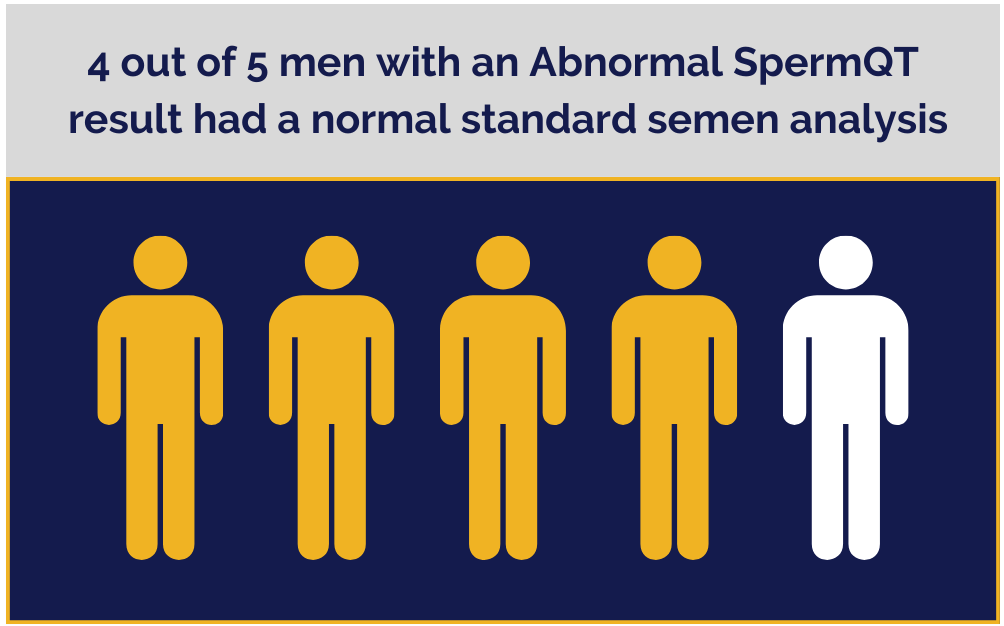
4 out of 5 men with an Abnormal SpermQT result (the highest number of dysregulated genes) had a normal semen analysis (total motile count >20M).¹·³
For couples undergoing IVF with ICSI (N=244), there was no significant difference in pregnancy and live birth rates.¹
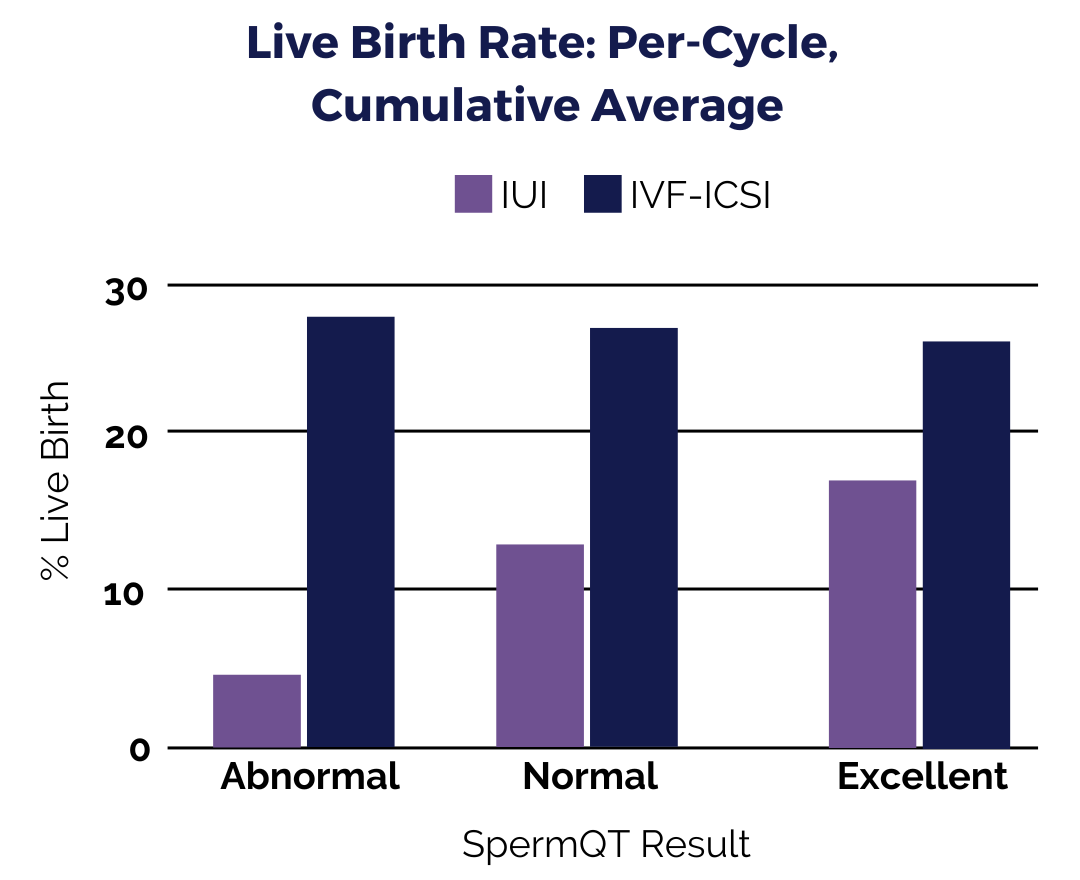
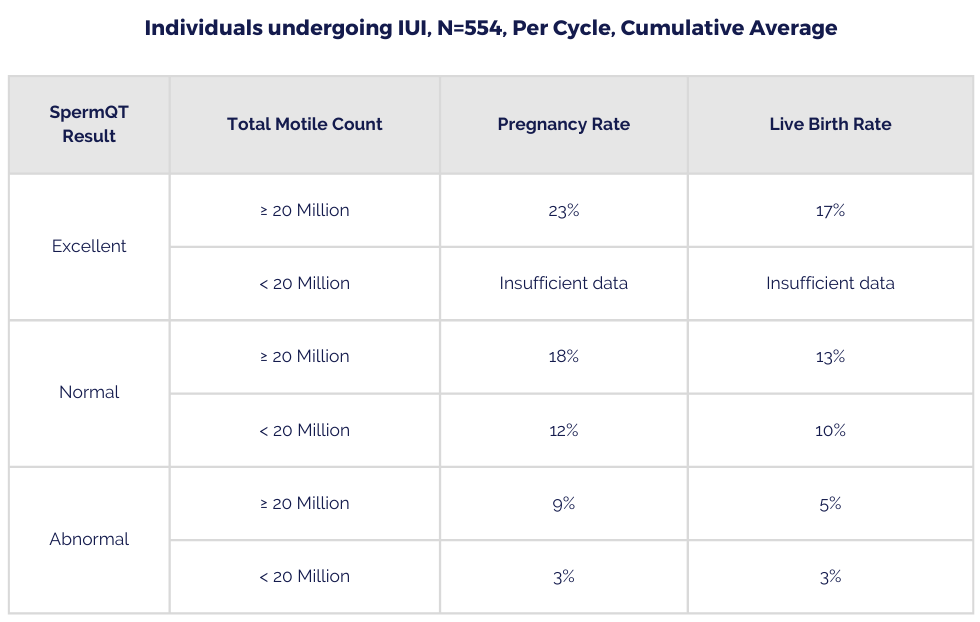
The SpermQT result in combination with total motile count provides a more predictive assessment of IUI live birth rates than either test alone.¹


Path Fertility is a brand of Inherent Biosciences, Inc. Copyright 2026 @ Inherent Biosciences, Inc. All rights reserved. Terms of Service and Privacy Policy