
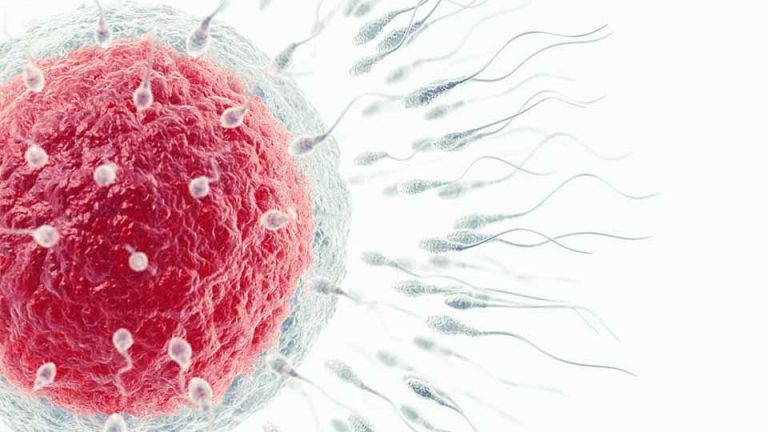
A new large study looked at couples trying to get pregnant using fertility treatments. It found that a newer sperm test called SpermQT™ — which looks at the DNA “epigenetic health” of sperm — was better at predicting whether IUI would work than a standard semen test alone.
Here’s what that means for you
-
Some men have normal sperm counts and movement, but still have underlying sperm issues that make IUI unlikely to succeed.
-
SpermQT can help detect those hidden problems.
-
In the study, no couples achieved pregnancy with IUI when the male partner had an abnormal SpermQT result, even though many had “normal” semen tests.
-
Importantly, couples did achieve pregnancy with IVF-ICSI regardless of SpermQT result, suggesting that IVF-ICSI can overcome these sperm issues.
Why this matters emotionally and financially
-
IUIs can be stressful, time-consuming, and expensive.
-
Better testing up front can help couples avoid repeated failed IUIs and move sooner to the treatment most likely to work.
Bottom line
SpermQT doesn’t replace standard semen testing — it adds deeper insight that can help your doctor recommend a clearer, more personalized path to pregnancy.
About the Study
The analysis included 537 men whose clinicians ordered SpermQT over an 18 month period. Outcomes were compared across IUI and IVF-ICSI cycles while accounting for partner ages, total motile sperm count, number of cycles, and provider- and clinic-level variation.
The authors note that, like all real-world studies, the analysis was limited by available clinical data and potential selection bias, as SpermQT was ordered at physician discretion. Nevertheless, the findings align with prior retrospective research and strengthen the evidence base for incorporating epigenetic sperm assessment into routine fertility evaluation.
The full study is available online in the Journal of Assisted Reproduction and Genetics
Comment from Andy Olson, CEO of Path Fertility
“This study shows that better information about sperm can help couples spend less time on treatments that won’t work and more time on the path that will.”